Introduction
Every moms and dad's nightmare is the idea of their newborn facing a critical emergency. Recognizing cardiopulmonary resuscitation (CPR) strategies specifically customized for babies can be the distinction in between life and death in such circumstances. Yet, numerous moms and dads are not aware of the one-of-a-kind protocols involved in doing CPR on babies. This thorough overview aims to furnish every moms and dad with vital understanding and skills relating to CPR on infants, diving into one-of-a-kind methods that can conserve lives.
CPR on Infants: Special Strategies Every Parent Must Know
Cardiopulmonary resuscitation (CPR) is a lifesaving technique made use of in emergencies when a person's breathing or heartbeat has actually stopped. While most individuals are familiar with grown-up CPR, the methods vary significantly when it involves babies. The delicate nature of a newborn needs details methods that CPR course Adelaide vary from those utilized on older children and adults.
Understanding Newborn Makeup and Physiology
Before diving into CPR techniques, it's important to comprehend the composition and physiology of a newborn. Infants have smaller sized lungs, breakable ribs, and a different blood circulation system than adults. Knowing these differences can assist parents execute CPR even more effectively.
The Significance of Airway Management
Newborns' airways are smaller and extra prone to obstruction; thus, airway administration is important during an emergency. Moms and dads ought to discover how to correctly remove a respiratory tract to guarantee reliable breathing restoration.
Recognizing When to Carry out CPR
One of the first steps in any kind of emergency is recognizing when CPR is essential:
- Unresponsiveness: If your infant isn't reacting or moving. No Breathing: If your baby isn't taking a breath normally or at all. Abnormal Skin Color: A blue tint around lips or face suggests absence of oxygen.
Initial Analysis: The DRSABCD Approach
The DRSABCD strategy is important for evaluating any type of emergency situation:
D - Danger: Make sure the environment is safe. R - Response: Examine if the baby reacts by gently drinking them. S - Send for Help: Require emergency situation help if needed. A - Airway: Open the air passage by turning the head back gently. B - Breathing: Seek signs of breathing. C - Compression: If no breathing is detected, commence CPR. D - Defibrillation: Use an AED if readily available and experienced to do so.The Actions to Do Baby CPR
Performing CPR on a newborn varies greatly from adults due to their size and fragility:
1. Positioning
Lay the infant on their back on a company surface.
2. Opening Airway
Gently tilt the head back somewhat to open Helpful resources up the airway while making certain not to overextend it.
3. Check Breathing
Look for breast motions and listen for breath sounds for about 10 seconds.
4. Chest Compressions
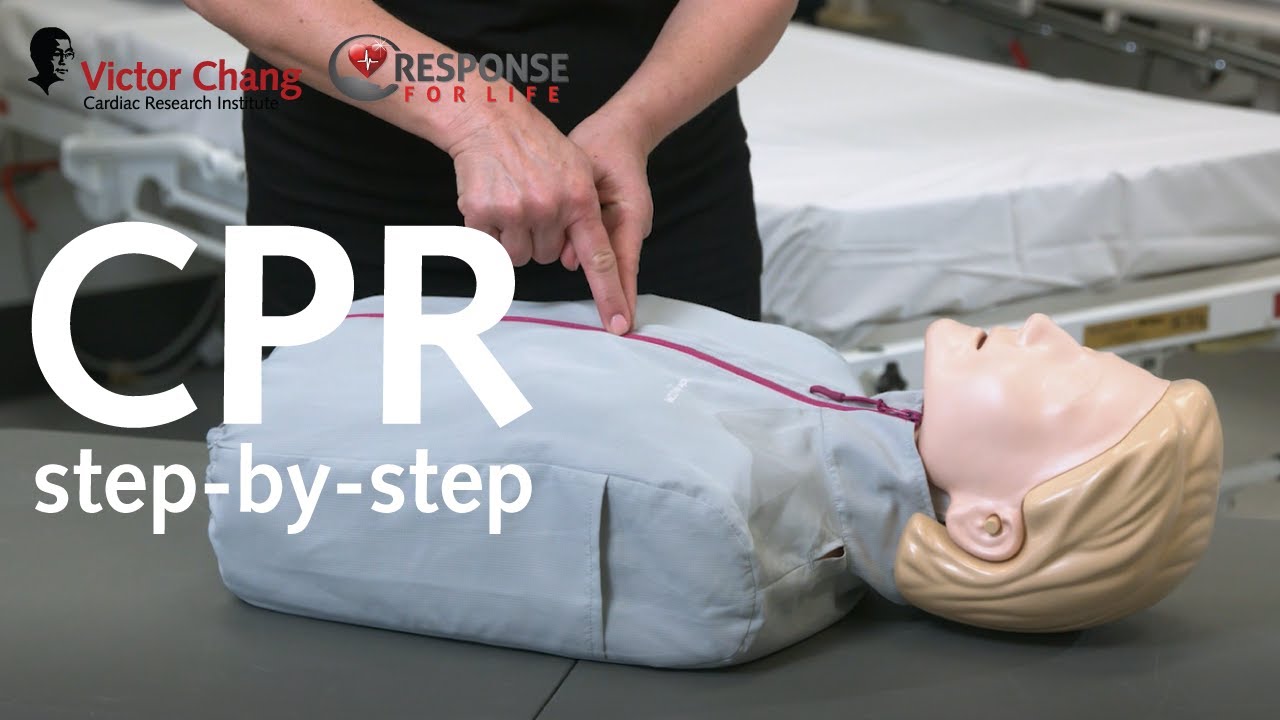
Using two fingers positioned simply below the nipple line, push down approximately 1/3 deepness of their chest (regarding 1-1.5 inches) at a rate of 100-120 compressions per minute.
5. Rescue Breaths
After every 30 compressions, offer two gentle rescue breaths:
- Seal your lips around their mouth and nose, Deliver each breath over one secondly while observing for upper body rise, Repeat up until you see indications of life or assistance arrives.
Common Errors Throughout Baby CPR
Even well-intentioned initiatives may fail as a result of typical errors:
- Applying too much pressure during compressions can trigger injury. Failing to ensure appropriate head tilt might obstruct airflow. Not calling for support early enough can delay crucial care.
Mental Preparation for Emergencies
It's natural to really feel panic in emergency situations; nonetheless, psychological prep work plays a crucial function in efficiently implementing first aid steps:
- Remain calmness; panicking hinders clear thinking. Practice mindfulness strategies prior to getting in parenthood.
FAQs Regarding CPR on Newborns
What should I do if my newborn stops breathing?
If your newborn quits breathing, promptly assess their responsiveness, call for help, check their airway, and start CPR as comprehensive above.
How often should I take first aid courses?
It's suggested that parents revitalize their understanding every 2 years by taking first aid programs or particular infant CPR training sessions.
Can I utilize an AED on an infant?
Generally speaking, AEDs are not recommended for babies under one year old unless specifically made for such use; constantly follow manufacturer's instructions.

Where can I locate first aid courses near me?
You can look online making use of terms like "first aid training course near me" or examine neighborhood medical facilities or recreation center that frequently supply these classes regularly.
How long does a first aid qualification last?
Typically, most first aid accreditations remain valid for three years prior to requiring revival through refresher courses that include updated practices like DRSABCD protocols.

Is it needed to learn psychological health and wellness first aid as well?
Absolutely! Psychological health and wellness first aid furnishes parents with abilities needed not just in physical emergencies however additionally http://elliotiwiu514.theglensecret.com/the-significance-of-first-aid-training-be-planned-for-any-type-of-scenario in recognizing emotional distress among youngsters and adolescents.
Conclusion
Understanding "CPR on Newborns: Distinct Strategies Every Moms And Dad Ought To Know" isn't just concerning obtaining technical abilities; it's First aid course Canberra about encouraging on your own as a caretaker prepared to CPR course Mawson Lakes encounter unforeseen difficulties head-on. Whether with dedicated training programs like those offered by various companies or practicing hands-on methods with relative throughout workshops-- every initiative counts towards constructing self-confidence in your capability to respond effectively during emergency situations entailing your valuable newborns.
Incorporating this understanding right into your parenting toolkit could mean conserving lives when it matters most. So why wait? Sign up today for classes such as "first aid training course," "cpr training," or specialized "infant first aid training course" choices offered nearby-- you never understand when you might require them!